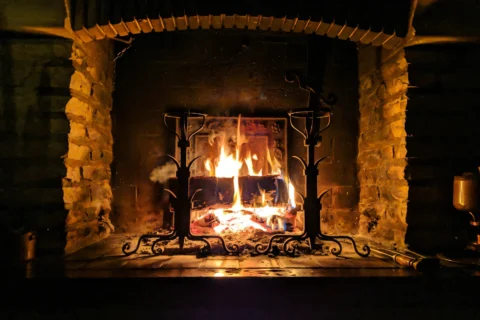
A chimney sweep with a van and a brush can clear £240 to £600 on a good day. Add HETAS certification for stove installation, plus the masonry skills to repoint a period chimney or lay a stone patio, and the ceiling lifts considerably. The trade rewards breadth. The more disciplines you stack, the less you care whether it is January or June.
Phil built this model at Andromeda Chimneys & Home over twenty years. He works alone across Wiltshire, Bath, Bristol, and surrounding towns, covering everything from annual sweeps with insurer documentation to full fireplace installations, stone masonry, and home extensions. One specialist, no crew, no upsell. Anyone considering this path must ask whether the income justifies the skill acquisition, and how pay moves as you progress from apprentice to established operator.
What the work pays at each stage
Entry-level positions in these trades start where most construction apprenticeships do: the National Minimum Wage for apprentices, currently £5.28 per hour for those under nineteen or in their first year. The work is mostly assisting, carrying, and learning how not to damage a period surround. It is not glamorous, but it lays the foundation.
Once qualified with NVQs in bricklaying or trowel occupations and relevant certifications, an employed tradesperson with one to five years experience typically earns £25,000 to £35,000 annually. A newly self-employed sweeper or installer might charge £150 to £250 per day while building a client base and learning to price jobs accurately. Underquoting is a common early mistake. You eat the cost, remember, and adjust.
Between five and fifteen years, the range widens. An employed specialist with proven experience can pull £35,000 to £45,000. Self-employed operators with HETAS registration, chimney sweep accreditation through NACS or the Guild of Master Chimney Sweeps, and a portfolio of complex jobs command £250 to £400 per day. The premium comes from scarcity. A client with a listed property in Bath who needs lime mortar repointing and a compliant flue liner pays for a specific combination of skills.
At fifteen years plus, running your own specialist business, gross annual income can move from £40,000 up through £70,000, with top performers clearing £80,000 before expenses. This is not guaranteed. It depends on efficiency, reputation, and whether you can keep the diary full through winter and summer alike. Phil’s approach, offering chimney, stove, stone and home improvements across a wide catchment area, is designed precisely for this: sweep in autumn, install stoves through winter, take on masonry and renovation work in spring and summer.
How the day rates break down by service
Chimney sweeping is the most predictable income stream. Rates run £60 to £100 per sweep depending on region and property size. An efficient operator completes four to six jobs daily. The work is seasonal, concentrated September through March, which gives multi-service operators an advantage.
Stove installation pays more per job but less frequently. A basic wood-burning stove installation runs £500 to £1,500 excluding the stove itself. Complex projects involving flue lining, custom hearths, and period-appropriate surrounds reach £2,000 to £4,000 or above. A skilled installer might complete two to four installations weekly during peak season. The margins are better, but so is the liability. HETAS registration is essential here; without it, you cannot self-certify compliance with Building Regulations Document J, and the client must pay for local authority building control inspection.
Masonry and home improvement work, stone pathway restoration, kitchen renovations, resin surfaces, these carry day rates of £250 to £500 for experienced operators. The projects last longer, the quotes are more complex, and the client relationship is deeper. Bespoke commissions like feature fireplaces or garden projects with natural stone command premium pricing because they cannot be templated.
What you need to get started
The formal requirements are specific. HETAS certification is mandatory for solid fuel appliance installation if you want to self-certify. NVQ Level 2 or 3 in bricklaying or trowel occupations provides the foundation for masonry work. Membership in professional sweep associations is not legally required but helps with insurance, credibility, and access to training.
The less formal requirements matter more. Building regulations knowledge, particularly Documents J and F, is non-negotiable. Practical experience with period properties, understanding how traditional construction behaves differently from modern builds, takes years to accumulate. Phil’s twenty years is not a marketing line. It is the difference between spotting a developing chimney fire risk and missing it, between mixing lime mortar that breathes with the stone and trapping moisture that destroys it.
The trade-offs of going solo
Running a specialist business as a single operator gives you control over quality and client relationships. Phil’s practice of reporting faults plainly, without upselling, builds the trust that generates repeat business and referrals in tight-knit communities like Bradford-on-Avon or Corsham. You set your schedule, choose your projects, and keep the margin.
The cost is that every function falls on you: quoting, scheduling, marketing across a service area that spans Bath to Wells, vehicle maintenance, insurance, tool replacement, administrative compliance. There is no sick pay. No one covers you when you are on holiday or recovering from a back injury. The diversification of services mitigates some risk, as a seasonal downturn in one area is offset by activity in another, but the operational risk is concentrated in one person.
Regional demand helps. The South West, with its density of period properties and affluent homeowners undertaking renovations, supports higher rates and more selective project choice than areas with newer housing stock or weaker home improvement activity. Rural locations with limited mains gas access also sustain solid fuel heating demand. The Stove Industry Alliance reports consistent stove sales, which translates directly into installation and maintenance work for certified operators.
Whether this path fits you
The money is there, but it is not immediate. The first years involve low pay, physical strain, and learning to run a business while doing the work. The payoff comes in your thirties and forties, if you persist, accumulate certifications, and build a reputation for reliability and craft. The model of one highly skilled generalist, rather than a narrow specialist or a multi-crew operation, occupies a specific niche. It suits people who want direct client contact, variety in their work, and the satisfaction of seeing a project from first survey to final sweep-up. It does not suit people who want predictable hours, a salary regardless of weather, or rapid advancement without the grind.